
The smartphone industry is booming, creating unprecedented demand for skilled technicians who can repair and maintain mobile devices. Whether you’re looking to start a profitable business or pursue a rewarding career, learning mobile repair is a smart investment in your future. However, choosing the right training program requires careful consideration of curriculum, certifications, hands-on practice, and industry relevance. This comprehensive guide will walk you through the step-by-step process of selecting and enrolling in the best mobile repairing course for your needs.
The best mobile repairing course should combine theoretical knowledge with extensive practical training, covering everything from basic troubleshooting to advanced chip-level repairs. Look for programs that offer industry-recognized certifications, experienced instructors, modern equipment, and placement assistance. Quality courses typically range from 3-6 months and include training on both Android and iOS devices, board-level repairs, software troubleshooting, and business setup guidance. Additionally, smaller batch sizes ensure personalized attention, while updated curriculum keeps pace with evolving smartphone technology.
Step 1: Assess Your Career Goals and Learning Objectives
Before investing in any training program, clearly define what you want to achieve. Are you planning to open your own repair shop, work for a service center, or add mobile repair as a supplementary skill? Your goals will significantly influence the type of course you should pursue. Furthermore, consider whether you want to specialize in specific brands like Apple or Samsung, or prefer comprehensive training across multiple manufacturers.
Think about your current technical background as well. Beginners need foundational courses that start with basic electronics and gradually progress to advanced repairs. Conversely, those with existing technical knowledge might benefit from specialized or advanced courses focusing on chip-level repairs or specific device types. Additionally, consider your time availability and financial resources, as these factors will narrow down suitable options.
Write down your specific objectives, such as desired income level, preferred work environment, and timeline for launching your career. This clarity will help you evaluate courses more effectively. Moreover, it will keep you motivated throughout the learning process when challenges arise.
Step 2: Research and Shortlist Training Institutes
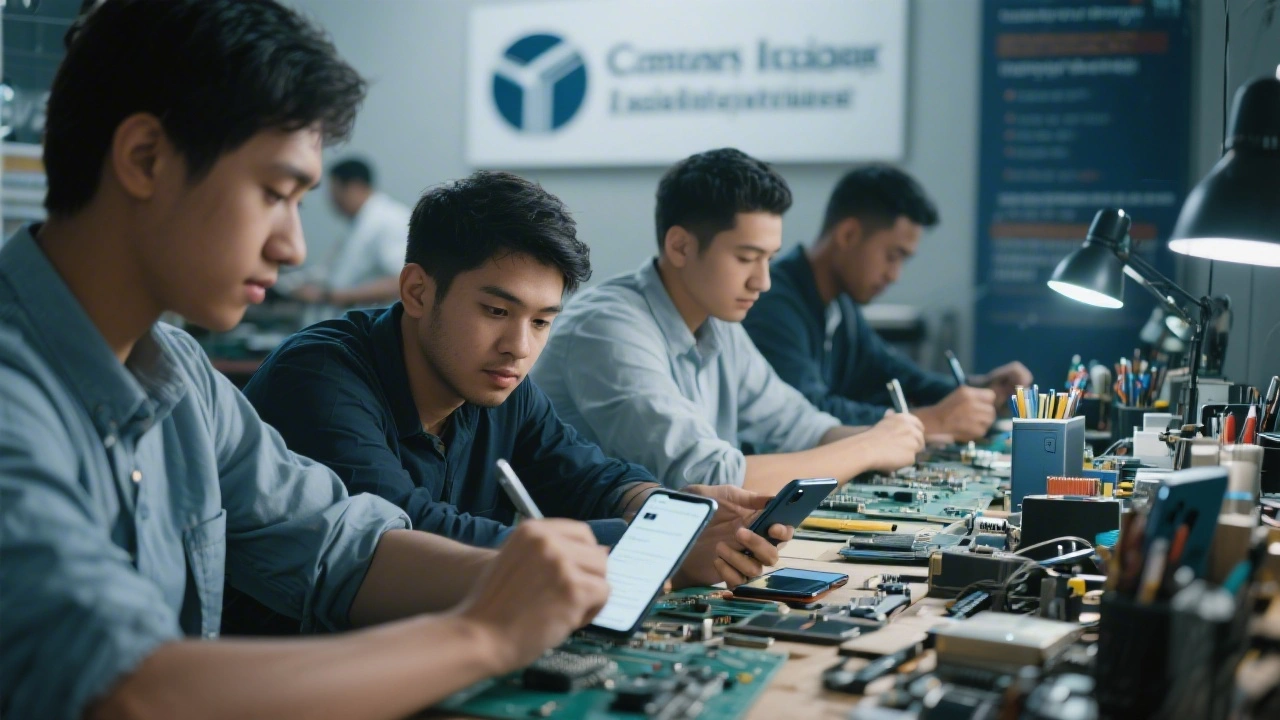
Once you’ve clarified your goals, begin researching available training institutes in your area. Start by searching online for mobile repairing courses near you, reading reviews, and checking institute websites for detailed information. Pay attention to how long the institute has been operating, as established centers typically offer more reliable training.
Look for institutes that maintain active social media presence and regularly post student projects or success stories. This transparency indicates confidence in their training quality. Additionally, check if the institute offers Skill India certified repair courses, which add credibility and government recognition to your certification.
Create a shortlist of 3-5 institutes that align with your requirements. Include details such as location, contact information, course offerings, and preliminary fee information. Subsequently, you can conduct deeper research into each option before making your final decision.
Key Factors to Consider During Research
- Institute reputation and years of operation
- Student testimonials and online reviews
- Instructor qualifications and industry experience
- Success rate of previous students
- Placement assistance and alumni network
- Accessibility and location convenience
Step 3: Evaluate Course Curriculum and Content
The curriculum forms the backbone of any quality training program. Therefore, request detailed course outlines from your shortlisted institutes. A comprehensive mobile repairing course should cover hardware repairs, software troubleshooting, component-level diagnostics, and business management basics. Moreover, it should include both theoretical concepts and extensive hands-on practice.
Specifically, look for these essential topics in the curriculum:
- Basic electronics and circuit theory
- Mobile phone architecture and components
- Troubleshooting techniques and diagnostic tools
- Display replacement and touch panel repairs
- Battery, charging port, and speaker replacements
- Motherboard-level repairs and chip replacement
- Software flashing, unlocking, and virus removal
- iOS and Android system troubleshooting
- Water damage restoration techniques
- Business setup and customer service skills
According to industry standards for mobile phone repair, professionals must stay updated with evolving technology. Therefore, verify that the curriculum includes training on latest smartphone models and emerging technologies. Additionally, ask whether the course content is regularly updated to reflect current market demands.
Practical Training Components
Theory alone won’t prepare you for real-world repairs. Consequently, ensure the course includes substantial practical sessions where you’ll work on actual devices. Ask about the student-to-instructor ratio during practical sessions, as smaller groups receive better guidance. Furthermore, inquire whether students get to keep practice devices or if they must share limited resources.
Step 4: Verify Certifications and Industry Recognition
Certification adds significant value to your professional profile. Hence, prioritize institutes offering recognized certifications upon course completion. Government-backed certifications, such as those aligned with Skill India initiatives, carry particular weight with employers and customers. These credentials demonstrate that your training meets national quality standards.
Ask institutes about their accreditation and affiliations with industry bodies or manufacturers. Some premium courses offer brand-specific certifications from companies like Apple, Samsung, or Xiaomi. While these specialized certifications cost more, they can open doors to authorized service center positions with higher earning potential.
Additionally, verify the institute’s track record with certification success rates. A quality program should have high completion and certification rates among enrolled students. Request samples of certificates to assess their professional appearance and authenticity markers.
Step 5: Check Training Facilities and Equipment
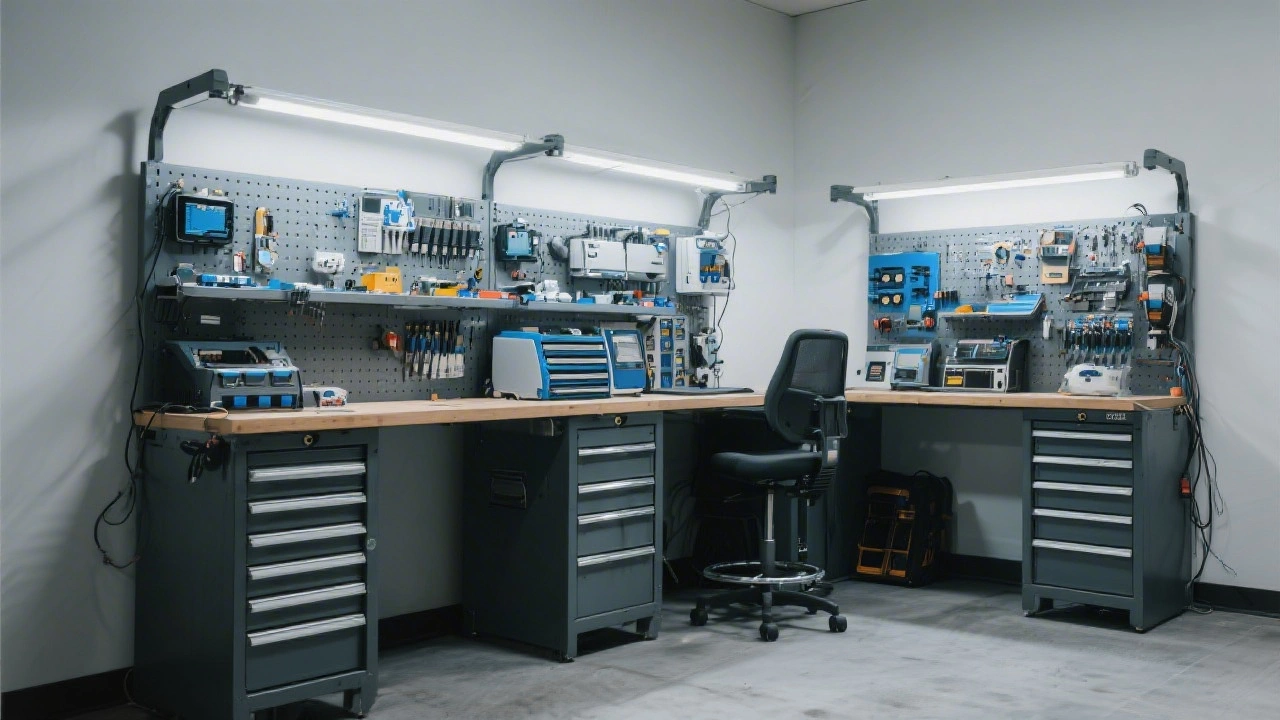
Learning mobile repair requires access to proper tools and equipment. Therefore, schedule visits to your shortlisted institutes to inspect their facilities firsthand. Look for well-equipped labs with modern diagnostic tools, soldering stations, microscopes, hot air rework stations, and ultrasonic cleaners. The availability of professional-grade equipment ensures you’ll learn industry-standard techniques.
During your visit, observe the cleanliness and organization of the workspace. Professional repair requires attention to detail and proper handling of delicate components, which begins with maintaining an orderly work environment. Moreover, check whether the institute provides individual workstations or if students must share limited space.
Pay special attention to whether the institute offers small batch repair courses, as smaller class sizes typically mean better access to equipment and more personalized instruction. Ask about the availability of practice devices and whether students receive tool kits for home practice.
Essential Equipment to Look For
- Digital multimeters and power supplies
- BGA rework stations for chip-level repairs
- Professional microscopes for precision work
- Ultrasonic cleaners for circuit board cleaning
- Screen separating machines
- Complete screwdriver and prying tool sets
- Software flashing devices and computers
Step 6: Review Course Duration, Schedule, and Fees
Course duration varies widely, from intensive one-month programs to comprehensive six-month courses. Generally, longer courses provide more thorough training and practice time. However, intensive courses work well for those who can dedicate full-time attention to learning. Consider your availability and learning pace when choosing course duration.
Examine the class schedule carefully. Some institutes offer flexible timings, including evening or weekend batches for working professionals. Others provide only daytime classes. Consequently, ensure the schedule aligns with your current commitments. Additionally, ask about makeup classes for sessions you might miss due to emergencies.
Regarding fees, compare costs across institutes while considering what’s included. Some courses appear cheaper but charge separately for certification, tools, or practice materials. Request a complete fee breakdown including registration, tuition, materials, examination, and certification costs. Furthermore, inquire about payment plans, installment options, or scholarship opportunities that might ease the financial burden.
Understanding the Investment
Quality training represents an investment in your future earning potential. While premium courses cost more upfront, they often provide better placement opportunities and skill development. Research the average salaries for mobile repair technicians in your area to understand the return on investment. If you’re considering starting your own mobile repairing business, factor in how comprehensive training will reduce costly mistakes when you launch.
Step 7: Complete the Enrollment Process
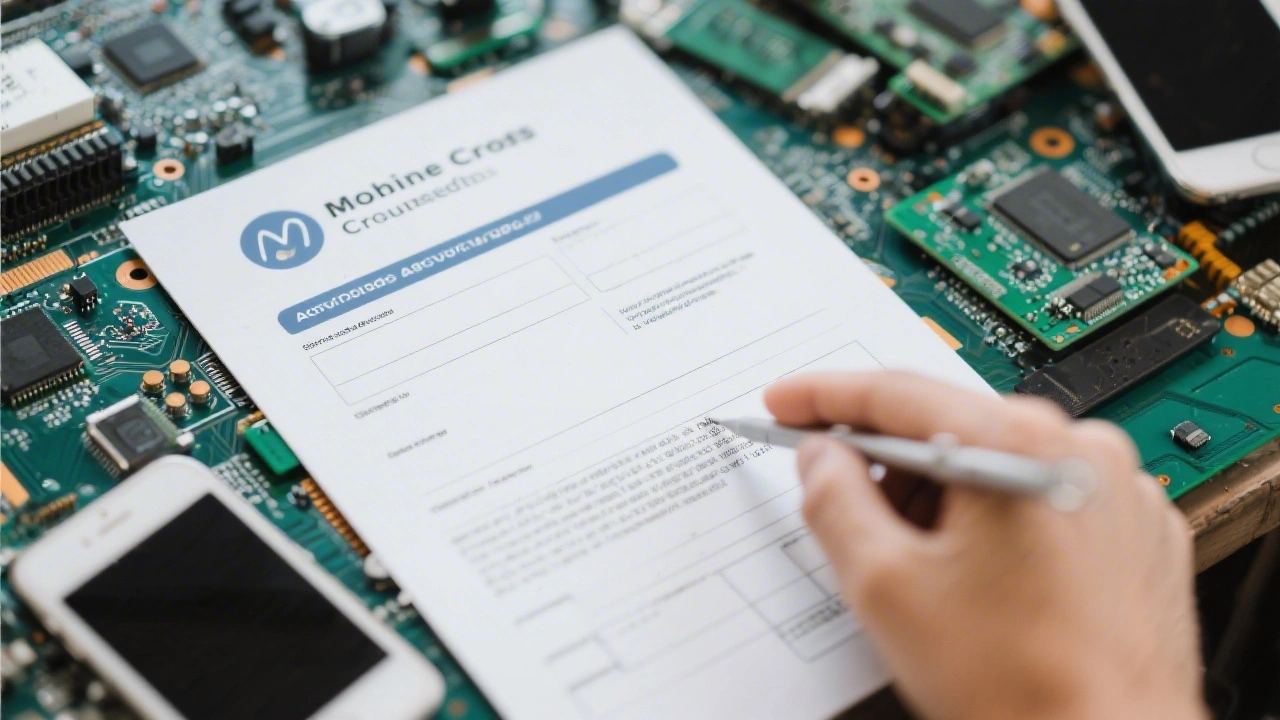
After selecting your ideal course, begin the enrollment process promptly to secure your spot. Most institutes have limited batch sizes, especially for quality programs with hands-on training. Contact the institute through their official channels, whether by visiting in person, calling, or using their contact page for inquiries.
Gather required documents, which typically include identification proof, educational certificates, photographs, and address verification. Some institutes conduct brief interviews or aptitude tests to assess your technical understanding and commitment level. Prepare for these assessments by reviewing basic electronics concepts if you have prior knowledge.
Read all enrollment agreements carefully before signing. Pay attention to refund policies, attendance requirements, code of conduct, and certification conditions. Clarify any doubts about course policies upfront to avoid misunderstandings later. Once satisfied, complete the payment process and obtain official enrollment confirmation with your batch start date.
Pre-Course Preparation
Many institutes provide preparatory materials or recommended reading before classes begin. Take advantage of these resources to build foundational knowledge. Additionally, familiarize yourself with basic smartphone terminology and components through online resources. This preparation will help you grasp concepts more quickly once training starts.
Step 8: Maximize Your Learning Experience
Enrollment is just the beginning; your active engagement determines how much you’ll gain from the course. Attend all sessions punctually and participate actively in practical exercises. Don’t hesitate to ask questions when concepts seem unclear, as understanding fundamentals is crucial for advanced techniques. Moreover, practice repairs outside class hours whenever possible to reinforce your skills.
Build relationships with instructors and fellow students, as these connections often lead to future collaboration opportunities. Join relevant online communities and forums where repair professionals share tips and troubleshooting advice. Furthermore, stay updated with industry trends by following technology news and manufacturer announcements about new devices.
Document your learning journey by maintaining a repair log where you record problems encountered, solutions applied, and lessons learned. This reference will prove invaluable when you start professional work. Additionally, seek feedback on your technique from instructors and work on improving identified weaknesses.
As you progress, consider specializing in areas that interest you most, whether that’s iPhone motherboard repair or other advanced techniques. Specialization can differentiate you in a competitive market and command premium pricing for your services.
Post-Course Success Strategies
Upon completing your training, leverage placement assistance if your institute provides it. Otherwise, begin networking within the local repair community and consider internships with established service centers to gain real-world experience. If entrepreneurship appeals to you, develop a comprehensive business plan incorporating the skills you’ve learned.
Continue your education beyond the initial course. Technology evolves rapidly, and successful technicians commit to lifelong learning. Attend workshops, manufacturer training sessions, and advanced courses to stay current with emerging repair techniques and new device technologies.
Finally, consider obtaining professional liability insurance once you start accepting client devices. This protection demonstrates professionalism and safeguards your business against potential disputes. Building a reputation for quality work and ethical business practices will ensure long-term success in the mobile repair industry.
